Introduction to Colour BasicsColour can set a mood, attract attention, or make a statement. You can use colour to energize, or to cool down. By selecting the right colour scheme, you can create an ambiance of elegance, warmth or tranquility or you can convey an image of playful youthfulness. Colour can be your most powerful design element if you learn to use it effectively;
Colours affect us in numerous ways, both mentally and physically. A strong red colour has been shown to raise blood pressure, while blue has a calming effect. Being able to use colours consciously and harmoniously can help you create spectacular results; |
|
|
Primary, Secondary and Tertiary Colours
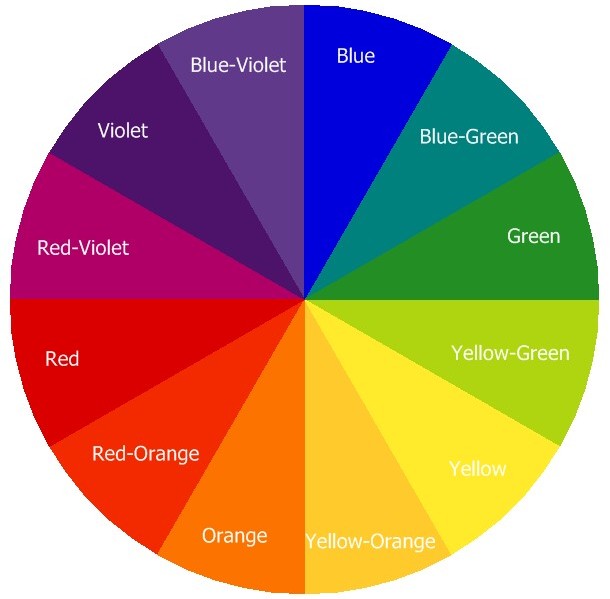
The primary colours are red, yellow and blue. The secondary colours - green, orange and purple - are created by mixing two primary colours. The six tertiary colours are created by mixing primary and secondary colours. |
Warm and cool colours
The colour circle can be divided into warm and cool colours. (almost) Warm colours are vivid and energetic, and tend to advance in space. Cool colours give an impression of calm, and create a soothing impression. |
Tints, Shades, and Tones
These terms are often used incorrectly, although they describe fairly simple colour concepts. If a colour is made lighter by adding white, the result is called a tint. If black is added, the darker version is called a shade. And if gray is added, the result is a different tone. |
Classic Colour Schemes
Monochromatic
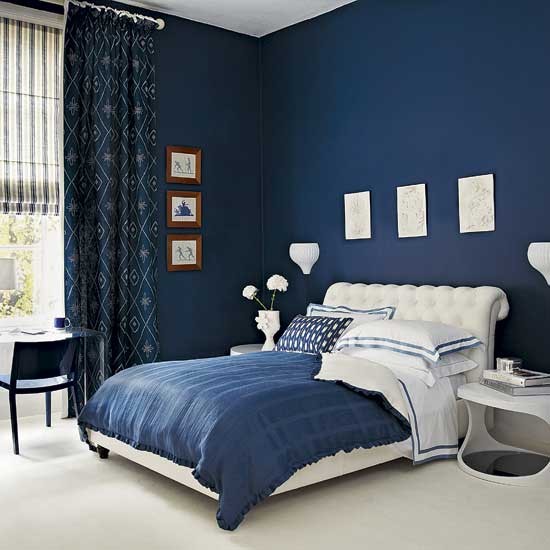
The monochromatic colour scheme uses variations in lightness and saturation of a single colour. This scheme looks clean and elegant. Monochromatic colours go well together, producing a soothing effect. The monochromatic scheme is very easy on the eyes, especially with blue or green hues. You can use it to establish an overall mood. The primary colour can be integrated with neutral colours such as black, white, or grey. However, it can be difficult, when using this scheme, to highlight the most important elements.
Split complementary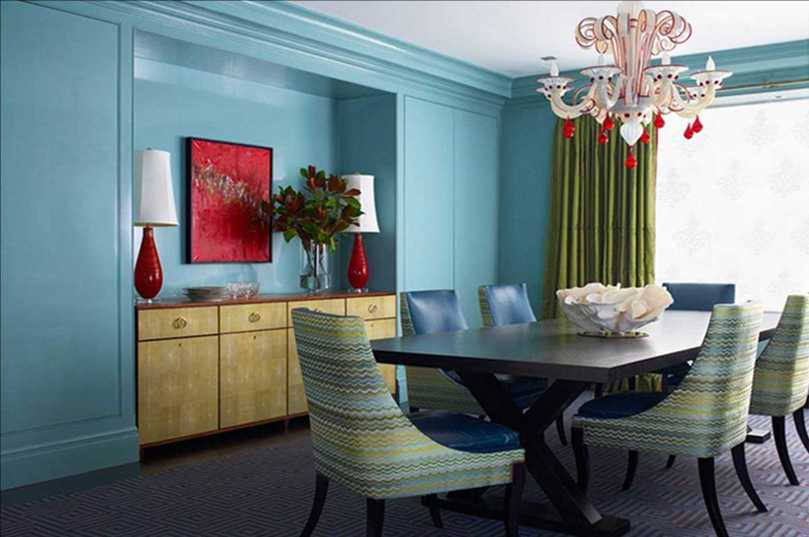
The split complementary scheme is a variation of the standard complementary scheme. It uses a colour and the two colours adjacent to its complementary. This provides high contrast without the strong tension of the complementary scheme.
Tetradic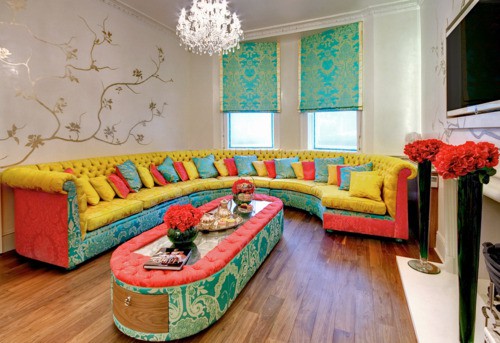
The tetradic (double complementary) scheme is the richest of all the schemes because it uses four colours arranged into two complementary colour pairs. This scheme can be hard to harmonise; if all four colours are used in equal amounts, the scheme may look unbalanced, so you may consider choosing a colour to be dominant or subdue all the colours.
|
Harmonious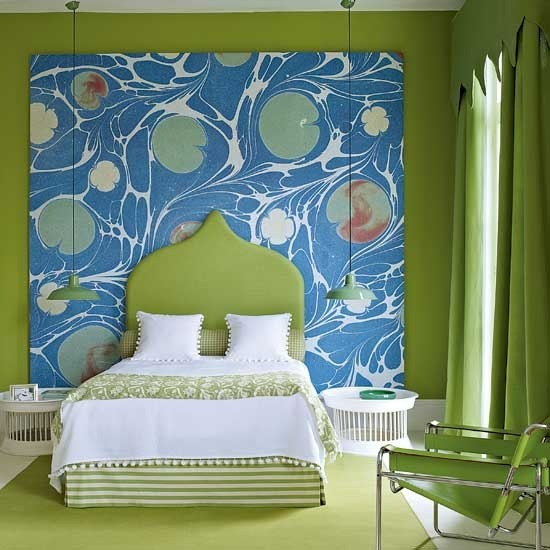
The harmonious colour scheme uses colours that are adjacent to each other on the colour wheel. One colour is used as a dominant colour while others are used to enrich the scheme. The analogous scheme is similar to the monochromatic one, but offers more nuances.
Triadic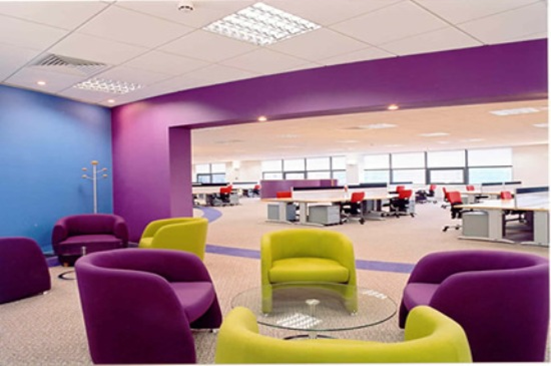
The triadic colour scheme uses three colours equally spaced around the colour wheel. This scheme is popular among artists because it offers strong visual contrast while retaining balance, and colour richness. The triadic scheme is not as contrasting as the complementary scheme, but it looks more balanced and harmonious.
Complementary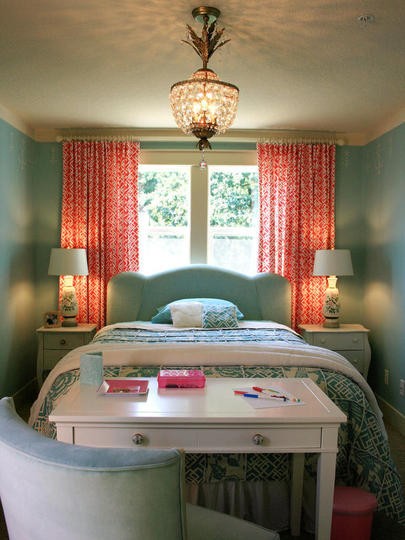
The complementary colour scheme is made of two colours that are opposite each other on the colour wheel. This scheme looks best when you put a warm colour against a cool colour, for example, red versus green-blue. The complementary scheme is intrinsically high-contrast. When using the complementary scheme, it is important to choose a dominant colour and use its complementary colour for accents.
|